

Ten product launch event ideas, in the order we use them, for anyone with a launch date and a budget who wants the launch to change something rather than just happen.
Most product launch events are remembered for the reveal, then forgotten
The night usually goes well. The venue looks right, the film plays, the countdown lands, people clap. A week later, ask the sales team to explain the new thing in two sentences, or ask a customer what changed, and the answer is thin.
That is the normal result of planning a product launch event as a reveal. Reveal planning starts with the room and works backwards to the message. It produces a good evening and very little after it.
The launches that get talked about were planned the other way round. They started with what people had to believe and do once the new thing was in front of them, and the venue, format and running order followed from that. The ten ideas below are how we get there, with two of our own launches as examples.
What a product launch event is actually for
A launch event has one job: to get the people in the room ready to back the thing. Customers who want it, partners who will sell it, employees who can explain it without a script. Everything else, the staging, the film, the entertainment, is in service of that.
So before anything is booked, we answer three questions with the client:
- What do people currently think about the thing being launched?
- What has to shift for them to see why it matters?
- What do they need to believe, and be ready to do, by the time they leave?
Once those are written down, most of the planning decisions make themselves. The format that creates belief in a sceptical sales floor is different from the one that makes a partner community feel chosen. The questions tell you which launch you are running.
10 product launch event ideas that make it land
1. Write down what should be different a month later
"Generate excitement" is not an objective, because nobody can check it. "Every account manager can demo the new feature unprompted by the end of the month" is. So is "the three partners we most need to carry this have booked a follow-up". Write the after-state first, in plain words, and plan the event to produce it.
2. Launch to your own people before you launch to anyone else
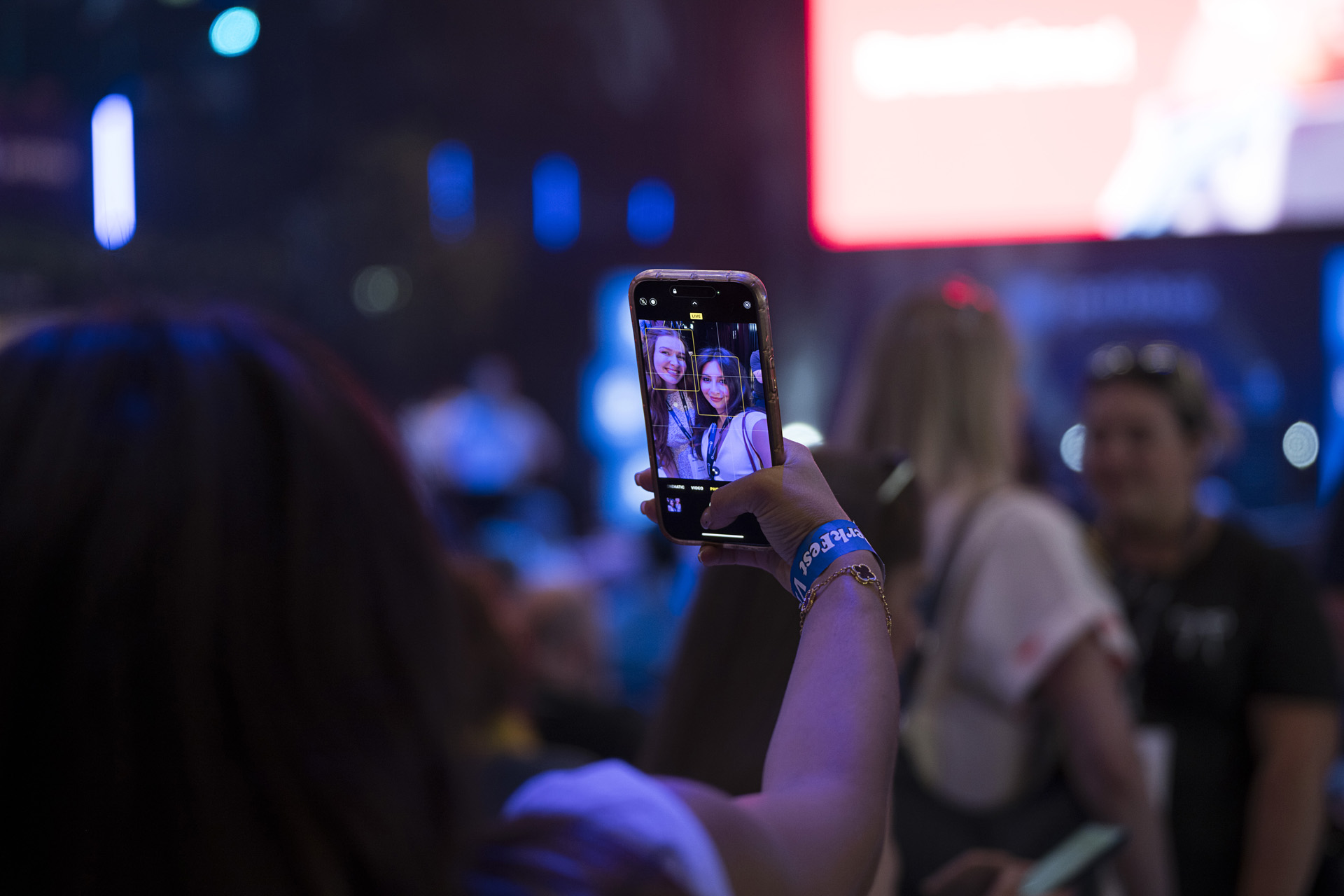
A message your own people do not buy is one no customer ever will. When Perkbox needed to launch a new brand to 300 employees weeks after a merger, the event was built as a festival at BoxPark Liverpool: a conference stage for leadership to launch the brand from, a set of branded fairground games that taught the product range by letting people play it, and an evening that ran on from the day rather than as a separate party. The brand was on everything before anyone reached the stage, so by the time leadership spoke, people were already standing in it. The whole workforce stayed to the end. You can read the full story in the Perkbox brand launch case study.
An internal product launch is not a rehearsal for the real one. It is the launch that decides whether the external one works.
3. Choose the audience before you choose the venue
Who has to leave believing? Fifty partners, three hundred employees, a press list, a customer community. Each needs a different room, a different length and a different kind of proof. Picking the venue first and fitting the audience into it is the most common way a launch loses its shape before it starts.
4. Let people get their hands on the thing
A demo someone does themselves beats a demo they watch. At the Perkbox launch, each fairground game mapped to a product category, so a roll-a-ball race or a cash grab was also a lesson in what the range did. Nobody sat through a slide deck on the product suite, and everybody could describe it afterwards. If the product is physical, people should hold it. If it is software, they should use it on their own device before they leave.
5. Build the world of the product, not a theme
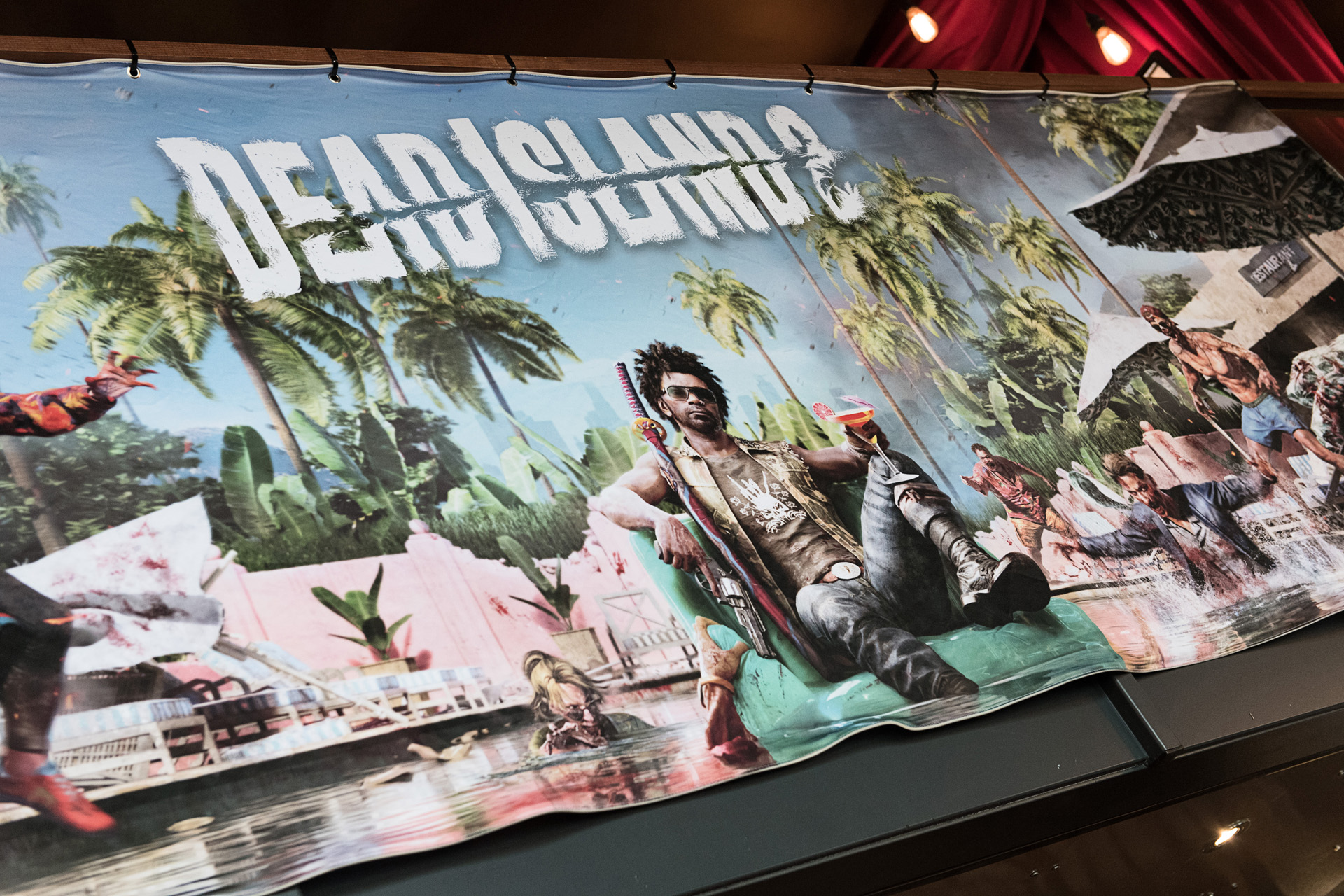
A theme is decoration. The world of the product is something people can step into. For the Dead Island 2 launch party, the audience was the studio that built the game, so the brief was to put living versions of the game's characters in the room to a standard they would recognise on sight: two leads and four zombies, cast against the character designs, with prosthetics and make-up worked from the game's own reference material. The test of any launch environment is the same one: would the people who made the product recognise it? See how it was built in the Dead Island 2 launch case study.
6. Put the right people on stage, in the right order
Who introduces the new thing matters, and so does the order. A founder explaining why it exists lands differently from a product lead walking through features, and both land differently again if a customer who has already used it speaks before either of them. Decide who stands behind the launch and in what sequence. Then leave space for the doubts people would otherwise keep to themselves: a Q&A with real questions, or small groups where the objections can be said out loud and answered.
7. Give the room something to carry out
People leave a launch and get asked about it. Make sure they have an answer: one line that explains the thing, a demo they can repeat, a piece of content they can send. If the only thing they can say the next morning is "it was a good night", the launch has not landed.
8. Plan the content capture as part of the launch, not an afterthought
The people in the room are a fraction of the people the launch has to reach. A photo and video crew briefed on the story as well as the stage produces the material that carries the launch to everyone who was not there: the sales team's social posts, the partner newsletter, the customer follow-up. Decide what the content needs to show before the day, and build the running order so those moments happen in front of a camera.
9. Decide how you will measure it before the invitations go out
A satisfaction score on the way out tells you about the catering. Decide the measure that matches the objective from tip one and check it at 30 days: can people explain the product, have they used it, did the partner conversations start, did the pipeline move. If you want a usable set of questions for the debrief, we have published the post-event survey questions worth asking.
10. Start while the story is still forming
For a company-wide or customer-facing launch, three to six months is comfortable, and sooner if the date is already fixed. The strongest briefs reach us while the story of the new thing is still being argued about, because that is when the event can shape how it is told. Once the format is locked and the room is booked, most of the useful decisions have already been made, often by accident.
How to organise a product launch event: the order we work in
The same sequence, whether it is a 50-person partner evening or a 400-person brand launch:
- Brief. The three belief questions, the after-state, the audience.
- Format. What kind of gathering produces that belief for that audience. Conference, festival, dinner, demo day, or a combination.
- Venue and length. Chosen to fit the format, not the other way round.
- Running order. Who speaks, in what sequence, where the hands-on moments sit, where the doubts get aired.
- Production. Staging, content, environment, entertainment, each tested against the question "does this help people believe it?"
- Capture. What the cameras need, planned into the running order.
- Follow-through. The 30-day check, and the content and conversations that keep the launch moving after the room empties.
A sales kick-off follows the same order with a different audience: a sales floor that has to leave believing in the number and the thing they are selling.
What this means for your next launch
If a launch is on your calendar, the most useful hour you can spend this week is on the three questions, before a venue is shortlisted. What people think now, what has to shift, what they need to believe and do when they leave. The reveal will look after itself once those are answered. The weeks after the reveal will not look after themselves, and they are where a launch is won.
That is the work we do as product launch event management for internal launches, sales kick-offs and public product and brand launches, in London and across the UK.
FAQ
How long does it take to plan a product launch event?
Three to six months for a company-wide or customer-facing launch, less if the date is already fixed and the story is settled. The earlier the brief arrives, the more the event can shape how the new thing is told rather than just presenting a story that has already been decided.
How much does a product launch event cost?
A focused internal product launch or sales kick-off typically starts around £40,000. A large customer-facing product or brand launch can run to £400,000 and beyond. Scale, audience size, production complexity and how far the launch has to reach are the variables, and a clear objective makes the number easier to set.
Should a product launch be internal first or external first?
Internal first, almost always. The people who build, sell and support the product have to believe in it before customers meet it, and an internal launch is where that belief is built. The external launch then carries conviction the room already has, rather than trying to manufacture it on the night.
What makes a product launch event successful?
A clear after-state, written down before planning starts, and a room designed to produce it: the right audience, hands-on time with the product, the right people on stage in the right order, space for doubts to be answered, and a plan for what people carry out and how it is measured a month later. A good night is a by-product of those decisions, not the goal.
If you are planning a launch and want to think it through with people who have run them, tell us what the moment has to change. We come back within one working day. Tell us about your launch.
.jpeg)
